
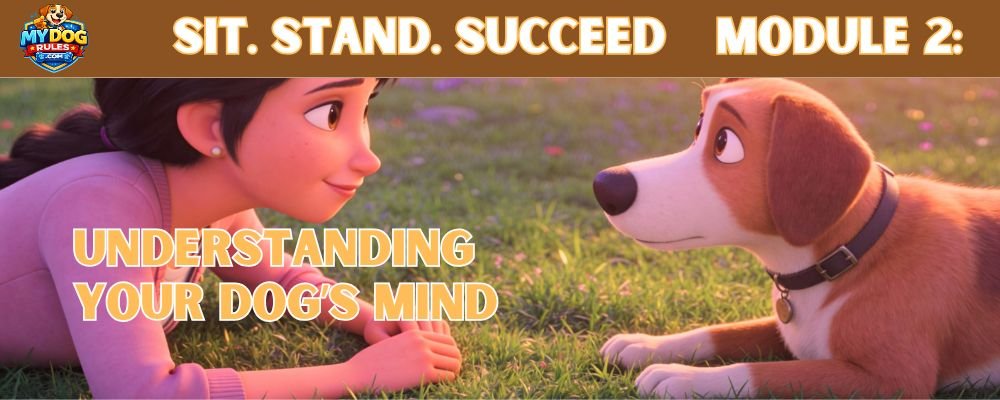
Learn how dogs think, learn, and make decisions. This module gives you the foundation to understand behaviour, motivation, and why your dog does what they do.
How dogs think, learn, choose behaviours — and why understanding this changes everything.
Most dog behaviour problems don’t happen because a dog is “stubborn,” “dominant,” or “disobedient.”
They happen because the dog is confused, overstimulated, or operating on instinct — not deliberately misbehaving.
This module gives you the foundation to finally understand why your dog does what they do — so you can teach, guide, and communicate with clarity and confidence.
🔵 1. How Dogs Think, Learn & Make Decisions
Dogs are not small humans.
They learn differently, think differently, and make decisions based on simple principles:
✔ Dogs repeat behaviours that work
If a behaviour leads to:
- attention
- food
- freedom
- excitement
- access to you
They will repeat it.
This explains:
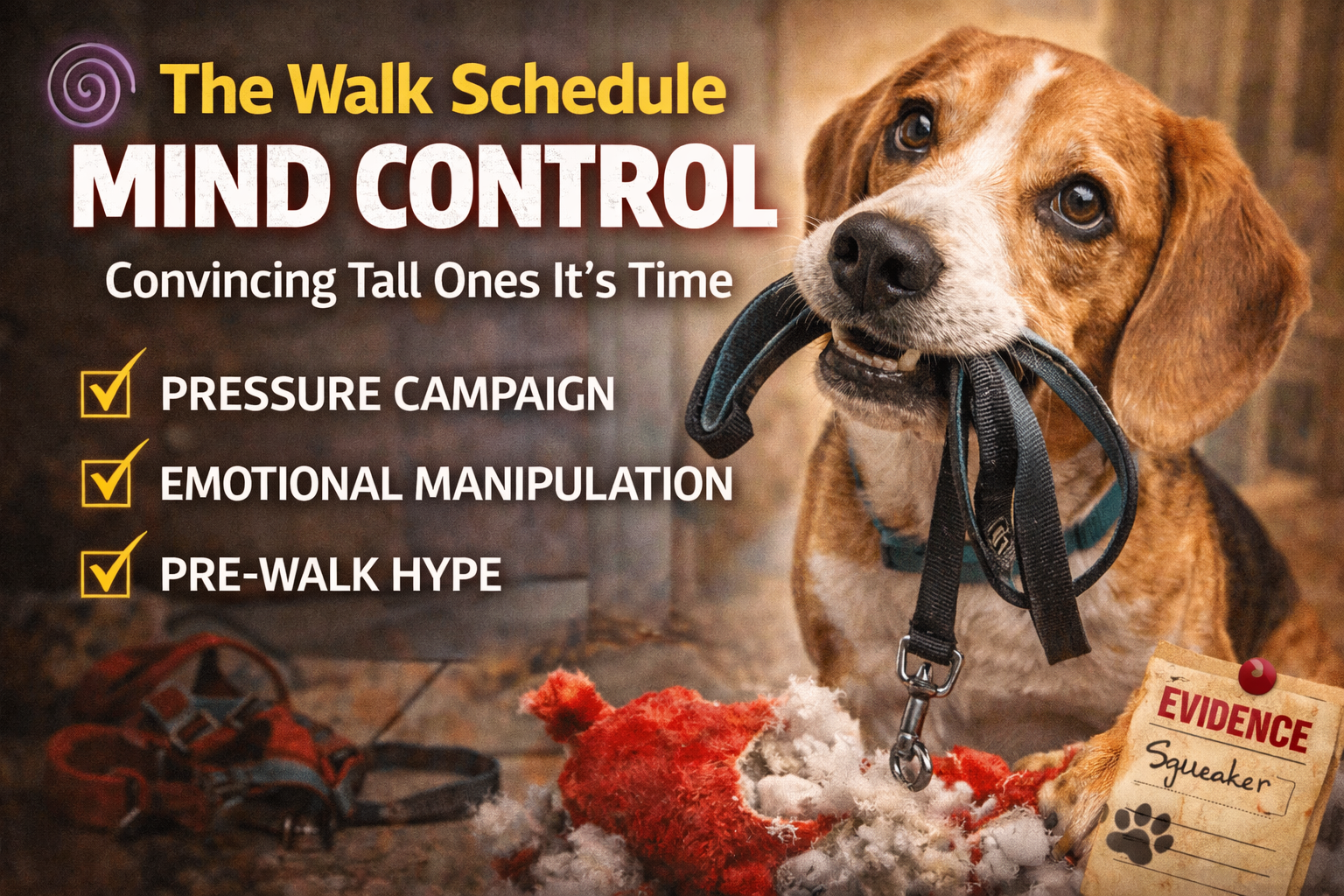
- why pulling works (it gets them forward)
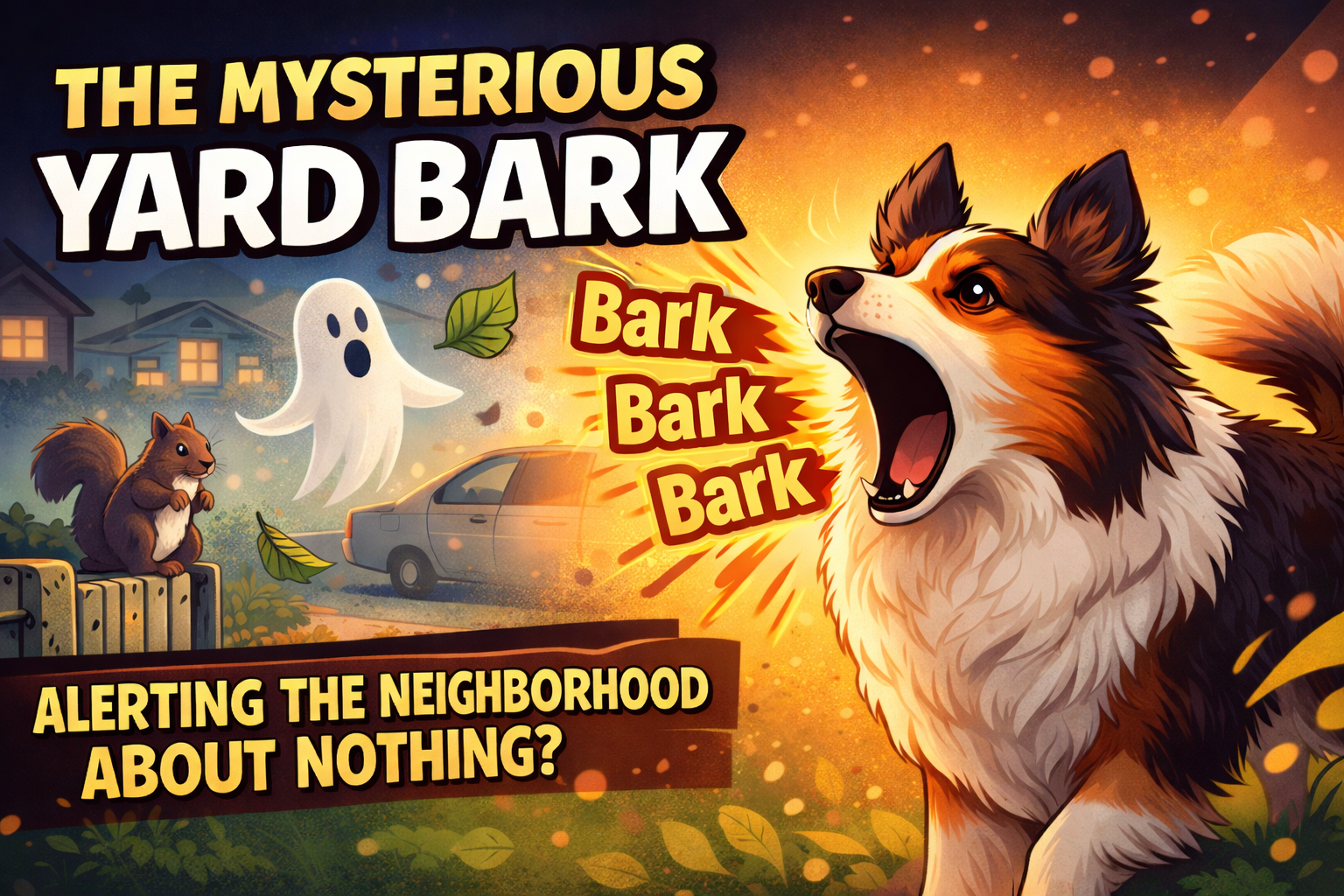
- why barking works (it gets attention or drives things away)
- why jumping works (it gets closeness)
Training replaces these “accidental rewards” with deliberate ones.
✔ Dogs learn in pictures, not sentences
They don’t understand long instructions.
They understand:
- your posture
- movement
- tone
- timing
- environment
- what happened immediately before and after
This is why consistency is everything.
✔ Dogs make decisions emotionally, not logically
A dog doesn’t think:
“I shouldn’t chase that bird — the yard rules say so.”
They think:
“Movement triggers instinct → chase!”
The key is redirecting instincts, not shutting them down.
🔵 2. Instincts, Motivation & Breed Influences
Every dog is a mix of:
- survival instincts
- breed traits
- individual personality
- learned habits
Understanding these helps you train smarter, not harder.
✔ Instincts
Common instinct-driven behaviours:
- chasing
- guarding
- barking
- chewing
- digging
- roaming
These aren’t “bad” — they’re natural.
Training teaches your dog where and when these behaviours are appropriate.
✔ Motivation
Dogs are motivated by:
- food (most powerful and universal)
- play (fetch, tug, chase)
- praise (social reward)
- freedom (access to environment)
Your job is to find your dog’s Top 3 Motivators.
Use those to shape the behaviours you want.
Pro trainer tip:
If your dog “doesn’t like treats,”
→ you’re using the wrong treats
→ or the environment is too distracting
→ or the dog is over-threshold
✔ Breed Influence
A Border Collie is wired differently from a Labrador.
A Beagle learns differently from a Staffy.
Breed influences:
- energy levels
- focus
- problem-solving
- calling distance (e.g., hunting breeds)
- social instincts
- arousal levels
Example:
Herding breeds may “nip” because they’re bred to control movement.
Retrievers may “mouth” because they’re bred to carry.
Understanding this removes frustration — you’re not fighting genetics, you’re channelling them.
🔵 3. Why Behaviour Problems Really Happen
Behaviour issues come from triggers, not “bad dogs.”
Below are the real roots of most “problems”:
✔ Lack of clarity
Most dogs don’t know what is expected.
If you don’t teach a behaviour, the dog will invent one.
✔ Overstimulation
Dogs can’t listen when:
- excited
- scared
- overwhelmed
- frustrated
In these states the brain is reactive, not thinking.
✔ Inconsistent responses
If one day jumping gets attention,
and the next day it gets ignored,
your dog learns nothing except:
“Keep trying — eventually it works.”
✔ Accidental reinforcement
You don’t know you’re doing it, but your dog does.
Examples:
- pulling = gets dog where they want
- barking = removes a threat
- whining = gets interaction
- pawing = gets attention
Dogs repeat what works.
✔ Under-exercised or under-stimulated dogs
Dogs need:
- outlets
- enrichment
- boundaries
- structure
Without it, they get creative — often in ways you don’t like.
🔵 4. Practical Exercises for This Module
These exercises form the foundation for the rest of the course and can be started immediately.
Exercise 1: Identify Your Dog’s Top Motivators
List:
- Food rewards they go crazy for
- Toys that energise them
- Types of praise they enjoy
- Activities they naturally gravitate toward
Use these in future modules.
Exercise 2: Trigger Mapping
Write down the top 5 things that:
- excite your dog
- scare your dog
- distract your dog
- frustrate your dog
This creates your first behaviour profile.
Exercise 3: “Calm Observation” Sessions
For 5 minutes per day:
- watch your dog quietly
- note calming signals
- note stress signals
- note what triggers reactions
This improves your timing and communication dramatically.
Exercise 4: “Predict the Behaviour” Game
Before walks or interactions, ask:
“Given the environment… what will my dog likely do?”
This builds handler awareness and prevents mistakes.
🔵 5. What Success Looks Like After Module 2
By the end of this module, you will:
✔ Understand what motivates your dog
✔ Recognise the difference between instincts and misbehaviour
✔ See behaviour as information, not defiance
✔ Respond with clarity rather than emotion
✔ Be ready for the core training modules with confidence
Responses