
🐾 Module 2
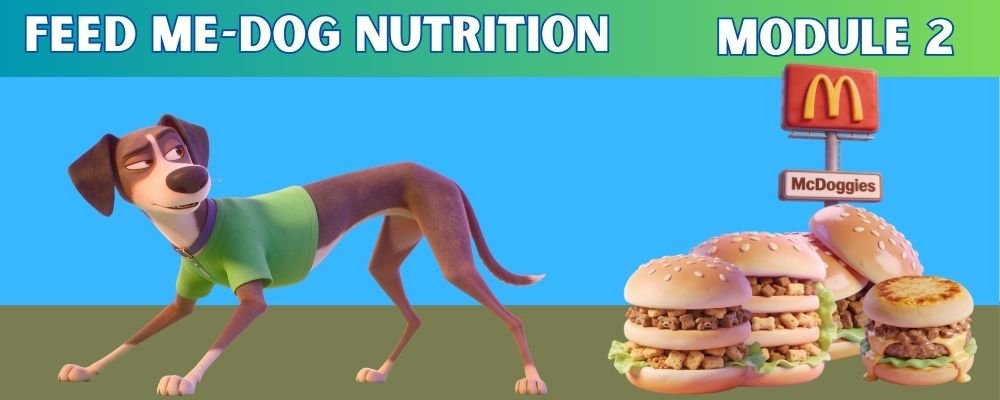
Growing Pains, Gangly Legs & Teen Attitude
Somewhere between “adorable baby” and “reasonable adult”, your dog becomes…
a teenager.
They suddenly:
- Eat like a horse
- Listen like a cat
- Trip over their own feet
- Forget everything they previously knew
And yet somehow burn calories just by existing.
Welcome to adolescence.
🧠 What Actually Changes During Dog Adolescence
Your dog’s body and brain are doing a lot at once.
This is a transition phase, not a free-for-all.
🦴 Physical Changes
- Growth slows, butdoesn’t stop
- Muscles start developing
- Bones are still maturing
- Joints are vulnerable (especially in big dogs)
Your dog may look:
- Tall and skinny
- Awkward and uncoordinated
- Like they were assembled in a hurry
This is normal.
Do not try to “fill them out” with extra food.
⚡ Energy Levels Stay Ridiculously High
Despite slower growth, your dog:
- Has endless energy
- Needs mental and physical outlets
- Appears to be powered by chaos
More energy does not mean they need more food.
It means they need:
- Exercise
- Training
- Enrichment
Calories are not a substitute for activity.
🍽️ Appetite Changes (And Confusion Begins)
Some adolescent dogs:
- Act constantly hungry
- Eat faster
- Beg harder
- Pretend they’re wasting away
Others:
- Suddenly lose interest in meals
- Become “picky”
- Skip meals occasionally
Both can be normal.
This is where many owners panic.
🧬 Hormones Enter the Chat
Adolescence brings:
- Hormonal shifts
- Mood swings
- Behaviour changes
- Selective hearing
This can impact:
- Appetite
- Digestion
- Attention span
Food is not the solution to teenage attitude.
🚫 What This Is Not the Time For
This stage can feel chaotic — but feeding mistakes here cause long-term problems.
❌ Overfeeding
Extra food does not:
- Speed maturity
- Improve behaviour
- Fix awkward phases
It does increase the risk of:
- Obesity
- Joint issues
- Long-term health problems
❌ Panicking About Every Change
Teenage dogs are inconsistent by nature.
One skipped meal ≠ a crisis.
One hungry day ≠ starvation.
Observe patterns, not moments.
❌ Switching Foods Every Week
Frequent food changes:
- Upset digestion
- Mask real issues
- Create picky eaters
Consistency allows you to tell what’s actually working.
🥣 Should You Change Your Dog’s Food Yet?
Short answer: Probably not.
Your dog is still growing — even if they don’t look like it.
🐕 When to Stay on Puppy Food
Stick with a high-quality puppy food until:
- Small breeds:~10–12 months
- Medium breeds:~12 months
- Large & giant breeds:12–18 months
Large and giant breeds in particular need:
- Controlled calories
- Balanced minerals
- Slow, steady growth
🦴 Why Large Dogs Need Extra Caution
Big dogs grow fast — and that’s the problem.
Rapid growth increases the risk of:
- Hip dysplasia
- Elbow issues
- Joint stress
Switching to adult food too early can:
- Disrupt bone development
- Reduce long-term soundness
Bigger dog ≠ faster food upgrade.
🍽️ Real-World Feeding Examples
🐕 Example 1: The “Always Hungry” Teen
Your dog eats meals, begs constantly, and stares at you like you’re cruel.
✔ Keep portions consistent
✔ Increase exercise, not food
✔ Ignore the drama
Hunger behaviour ≠ nutritional deficiency.
🐕 Example 2: The Suddenly Fussy Eater
Your dog skips a meal or eats slowly.
✔ Leave food down 15–20 minutes
✔ Remove uneaten food
✔ Offer next meal as scheduled
Healthy dogs don’t starve themselves.
🐕 Example 3: The Gangly Giant Breed
Your large dog looks skinny, awkward, and all legs.
✔ Stay on large-breed puppy food
✔ Avoid supplements unless vet-directed
✔ Focus on slow, steady growth
Awkward now often means strong later.
🧠 Key Takeaway for This Stage
Adolescence is about:
- Stability
- Consistency
- Patience
Your dog doesn’t need:
- Extra food
- Constant changes
- Panic-driven decisions
They need:
- Appropriate nutrition
- Routine
- Time to grow into themselves
Even if they act like lunatics in the meantime.
Responses